


KOTA KINABALU, Nov 8 — The one-off RM1,000 Special Financial Assistance under Budget 2027 has come as a relief to taxi drivers in Sabah, whose daily earnings have dwindled amid growing competition from other modes of transport.
Azizarjan Japar, 43, a mother of four, said competition from newer transport services had left many conventional taxi drivers going entire days without picking up a single passenger.
The assistance would therefore go a long way in helping them cope with their daily expenses.
Having worked as a taxi driver for more than 10 years, she hoped the authorities would continue to strengthen the service to ensure it remained relevant in the state’s transport network.
She said the cash assistance would also provide some financial breathing space for women drivers like herself as they grappled with the rising cost of living.
“The assistance has eased the burden on my family, especially in meeting my children’s school and daily expenses.
“However, in the long term, we need to find ways to ensure the taxi service continues to be strengthened,” she told Bernama.
She was speaking after a ceremony to distribute the assistance to 1,105 taxi, rental car and school bus drivers in Sabah, officiated by Sabah Commercial Vehicle Licensing Board (LPKP) chairman Datuk Phoong Jin Zhe here recently (November 6).
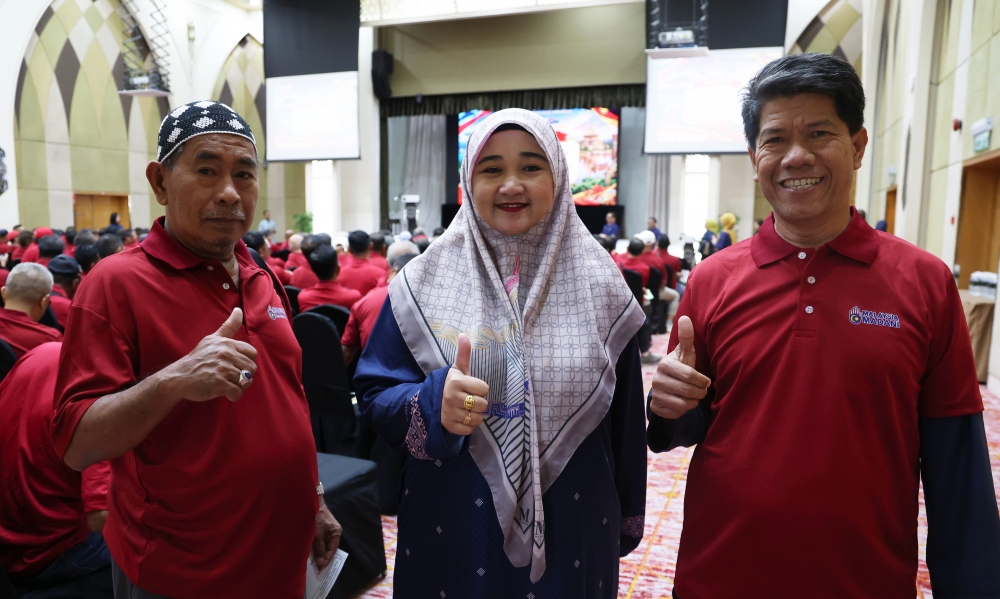
The special cash assistance was announced by Prime Minister Datuk Seri Anwar Ibrahim when tabling Budget 2027 in the Dewan Rakyat last month as part of efforts to channel the country’s wealth directly to the people.
Veteran taxi driver Erwandy Rani, 64, who has been driving a taxi full-time since 1984, described the assistance as a meaningful recognition of his more than four decades of service on the road.
“Nowadays, there is hardly any income.
“Sometimes I get only two trips in an entire week, and the fares are not even enough to cover the cost of fuel,” he said.
He said the sharp decline in passenger numbers had forced drivers to pay for their own fuel without earning enough to offset the expense.
Erwandy said he was grateful to receive the assistance, the first of its kind he had received from the government, at a time when taxi drivers were facing increasing financial pressure.
Another driver, Abdul Patta Anbotika, 55, said the difference between taxi drivers’ earnings in the past and today was stark, reflecting changes in the public transport landscape.
“I am very grateful for the government’s assistance because our earnings as taxi drivers have fallen significantly compared with the past,” he said.
He said that when he started driving a taxi in 1997, he could earn up to RM200 a day in the city, but now even making RM100 a day was difficult.
The more than 50 per cent drop in daily earnings has tested the resilience of conventional taxi drivers, who often have to wait for hours at taxi stands just to pick up a passenger, he said.
He described the assistance as a sign that the government had not overlooked the plight of veteran drivers who continued to work hard to earn a living. — Bernama
* Editor’s note: LPKP stands for Lembaga Pelesenan Kenderaan Perdagangan in Malay.


