


KUALA LUMPUR, Nov 1 — From disrupting fish reproduction to altering aquatic behaviour, pharmaceutical residues can have far-reaching effects on ecosystems when expired or unwanted medicines are improperly discarded.
Yet for many households, disposing of old medicines remains an afterthought, with the rubbish bin often the most convenient option when returning them to a healthcare facility or pharmacy seems too troublesome.
As pharmaceutical consumption rises alongside Malaysia’s growing and ageing population, the volume of unwanted medicines requiring proper disposal is also likely to increase.
According to the Health Ministry’s Pharmaceutical Services Programme (PSP), many people mistakenly believe expired medicines can be thrown away with household waste, while others bury unused medication under the assumption that it is safer.
“All pharmaceutical products, including traditional preparations and supplements, must not be disposed of with household waste or flushed down toilets or sinks.
“This includes tablets, capsules, pills, liquid medications, inhalers, topical preparations (ointments and creams), eye and nasal drops, suppositories, sachets and patches.
“Active pharmaceutical ingredients and excipients in improperly discarded medicines can contaminate drinking water sources and aquatic ecosystems, entering drainage systems through landfill leachate or wastewater when medicines are flushed down sinks or toilets,” it said in response to recent queries from Malay Mail.
The PSP also sought to dispel the misconception that medicines returned to healthcare facilities would be reused for other patients, stressing that they must instead be disposed of safely in line with international recommendations.
It warned that improper disposal of antibiotics could also contribute to antimicrobial resistance, potentially making commonly used antibiotics less effective against infections and posing serious challenges to healthcare systems.
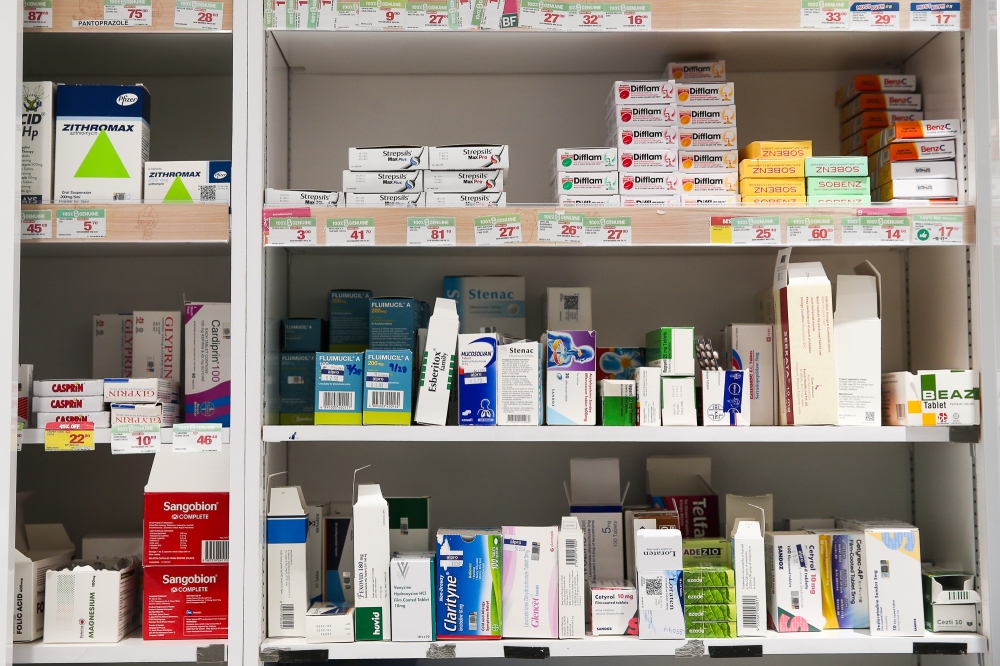
What gets thrown away
In Malaysia, the Health Ministry’s MyMediSAFE programme, launched in September 2024, leads efforts to educate the public on the safe disposal of unused and expired medicines through strategic partnerships with the private sector.
According to the 2025 edition of MyMediSAFE’s Master Plan for the Disposal of Medicines Kept by Patients for Environmental Sustainability, a 2019 study involving 426 respondents in Selangor found that 84.9 per cent disposed of unused medicines in household rubbish bins, while only 15.1 per cent were aware of proper disposal methods.
Another study in 2021 found that about two-thirds of 1,000 patients with chronic conditions surveyed in the Klang Valley disposed of unused medicines with household waste, poured them down drains or flushed them down toilets.
A separate study examining 1,052 rivers across 104 countries ranked Selangor’s Sungai Langat among the 20 most polluted by pharmaceutical residues, detecting carbamazepine, an anticonvulsant, and metformin, a diabetes medication, in water samples.
There are currently 1,248 medicine collection points nationwide, including Health Ministry hospitals, selected private and university hospitals, and community pharmacies participating in MyMediSAFE.
The scale of the problem is also reflected in figures from the Malaysian Pharmacists Society (MPS), which collected an estimated 639kg of unused and expired medicines between January and June this year through a nationwide programme supporting independent community pharmacies as medicine-return points.
Despite these efforts, awareness of proper medicine disposal remains a challenge.
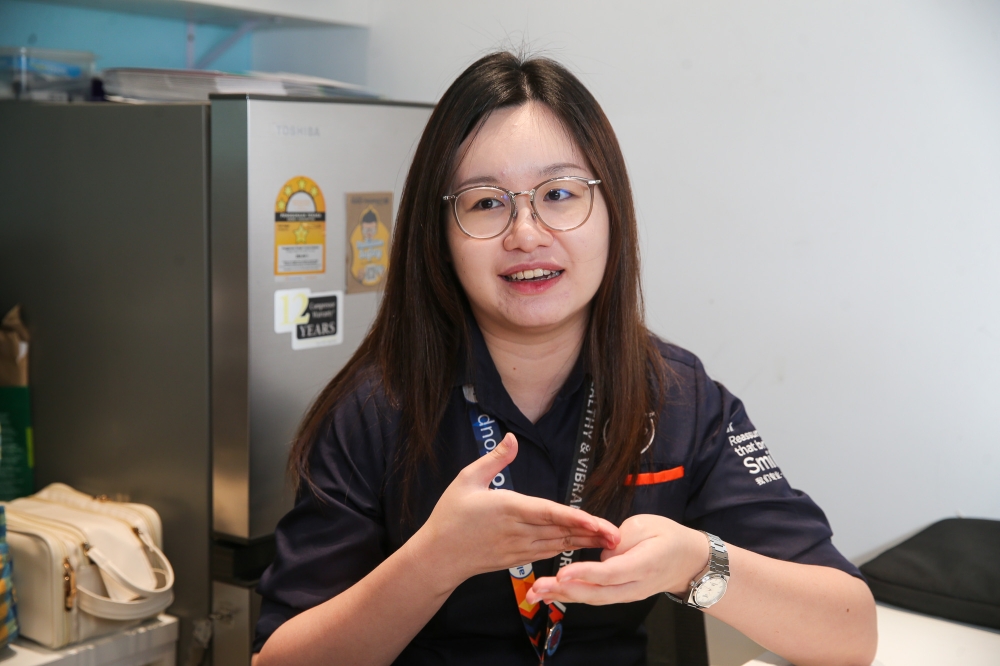
Ng Yi Ling, chairman of the MPS Special Interest Group on safe medicine disposal, said unused and expired medicines often accumulate at home because people are unaware of existing disposal services or do not regularly check their medicine supplies.
“Many people may not be aware of the consequences of improper medicine disposal; even among those who are aware, they may not consider its importance so it stops there.
“I think another reason, especially among patients on chronic medication, is confusion over dosage. For instance, a patient prescribed four metformin tablets a day may take only two, either out of fear of side effects or a lack of understanding, eventually accumulating excess medication at home,” she told Malay Mail.
Beyond the environmental risks, Ng said medicines discarded in rubbish bins could cause accidental poisoning if children or animals mistook them for food and ingested them.
She also highlighted the financial cost of medicine wastage, noting that pharmaceutical production requires significant resources, while patients who fail to take medication as prescribed risk worsening their conditions, potentially requiring further treatment and increasing healthcare costs.
Tackling the waste
Ng, who is also Alpro Pharmacy’s professional care and development manager, said preventing improper disposal should begin with understanding why patients accumulate unused medication.
Pharmacists, she said, have a key role in identifying patients’ concerns and encouraging them to take their medicines as prescribed.
She cited cases of patients accumulating excess medication after failing to follow their prescribed treatment, including one who stopped taking diabetes medication in favour of alternative treatments.
“Pharmacists should not simply accept returned medicines and dispose of them but ask patients why they have excess medication.
“By addressing concerns such as fear of side effects or confusion over dosage, we can prevent medicine wastage at its source and ensure unused medicines are disposed of safely,” she said.
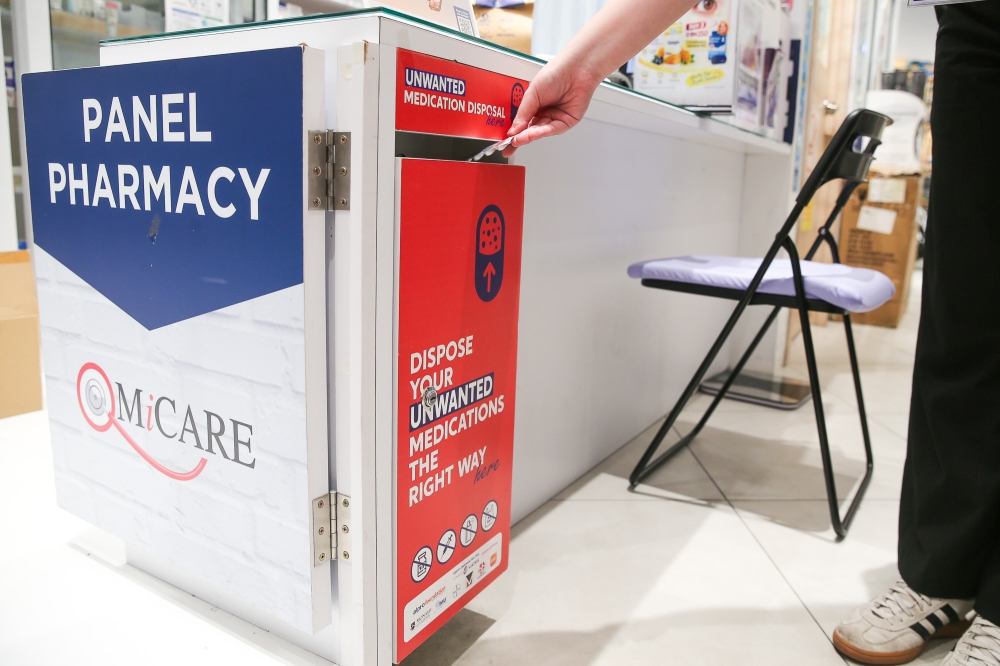
Alpro has disposed of an average of 3.5 tonnes of unused medicines returned by the public each year over the past three years.
However, Ng said the volume was hardly cause for celebration, as it also reflected patients not taking their medication as prescribed.
Among the most commonly returned medicines were metformin for diabetes and statins for high cholesterol, both prescribed for chronic conditions, alongside painkillers such as paracetamol and smaller quantities of antibiotics.
Ng said educational efforts were also being introduced in schools, with animations used to teach children about the risks of improper medicine disposal and the importance of safe disposal practices.
“Now that the resources and disposal services are in place, we hope to engage the wider community through outreach programmes and encourage them to work together with the Health Ministry and MPS, which have been driving these efforts,” she said.
With more medicine collection points available nationwide under MyMediSAFE, the PSP encouraged Malaysians to make safe disposal a regular habit.
“They no longer need to make special trips to specific healthcare facilities, as more collection points are now available for them to visit while going about their other activities.
“The public is encouraged to use medicines responsibly by finishing existing supplies at home before obtaining more and informing pharmacy staff of any remaining medication so they can assess patients’ needs and dispense only the quantities required,” it said.


