


KUALA LUMPUR, Oct 2 — The government has expanded electricity bill protection to domestic users consuming up to 800 kilowatt-hours (kWh) a month, up from the previous 600kWh limit.
The temporary protection, which applies to electricity consumption from September 1 to December 31, exempts eligible households from the Automatic Fuel Adjustment (AFA), retail charge and eight per cent Sales and Service Tax (SST).
But what does 800kWh actually mean for an ordinary household?
What is 800kWh?
A kilowatt-hour, or kWh, is a unit used to measure how much electricity you use.
A household using 800kWh over a 30-day month averages about 26.7kWh a day.
According to Tenaga Nasional Berhad (TNB), household electricity consumption depends on factors including the power rating and efficiency of appliances, how many hours they are used, the number of appliances and household usage patterns.
Why was the threshold increased?
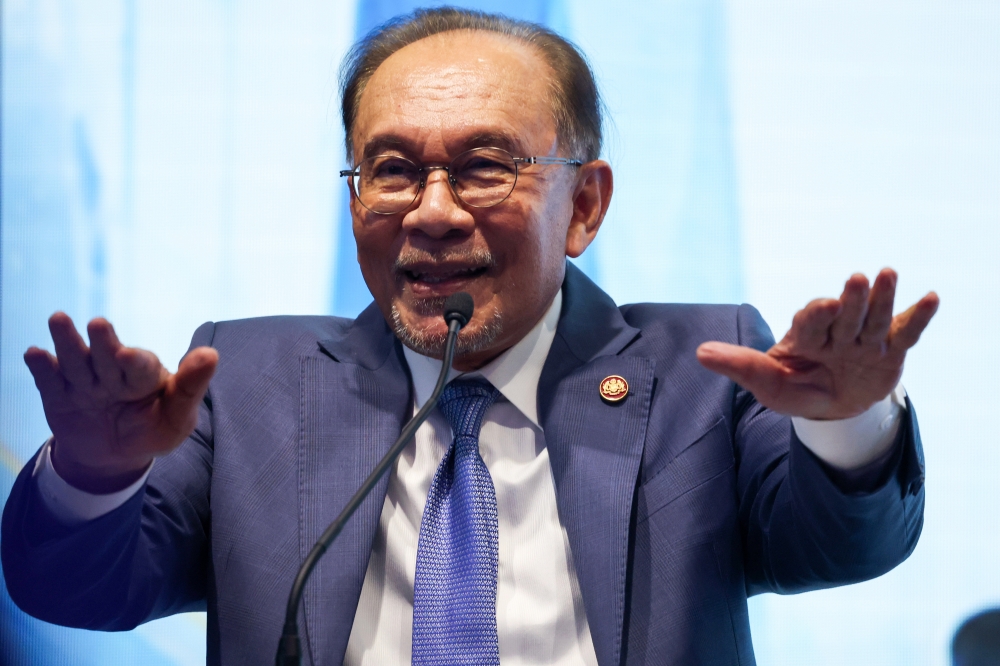
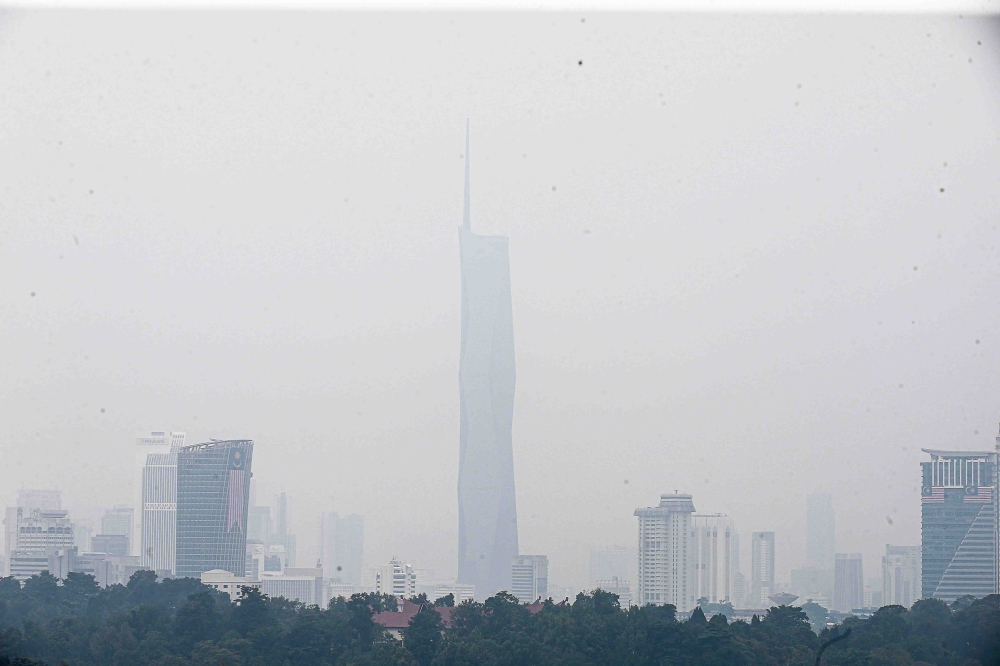
Prime Minister Datuk Seri Anwar Ibrahim said recent haze and hotter weather had caused some households to use more electricity, pushing their consumption above the previous 600kWh threshold and resulting in higher bills.
The protection was therefore expanded to 800kWh.
This does not mean electricity tariffs have been permanently reduced.
Instead, households consuming 800kWh or less receive temporary exemptions from the AFA, retail charge and SST until the end of December.
How much electricity does an appliance use?
If you are not sure how much is your power consumption, TNB has a formula to estimate an appliance’s monthly electricity consumption:
Electricity consumption (kWh) = Power rating (watts) × hours of operation × 30 days ÷ 1,000.
For example, a 100W appliance used for 10 hours a day would consume:
100W × 10 hours × 30 ÷ 1,000 = 30kWh a month.
A 500W appliance used for two hours a day would also consume:
500W × 2 hours × 30 ÷ 1,000 = 30kWh a month.
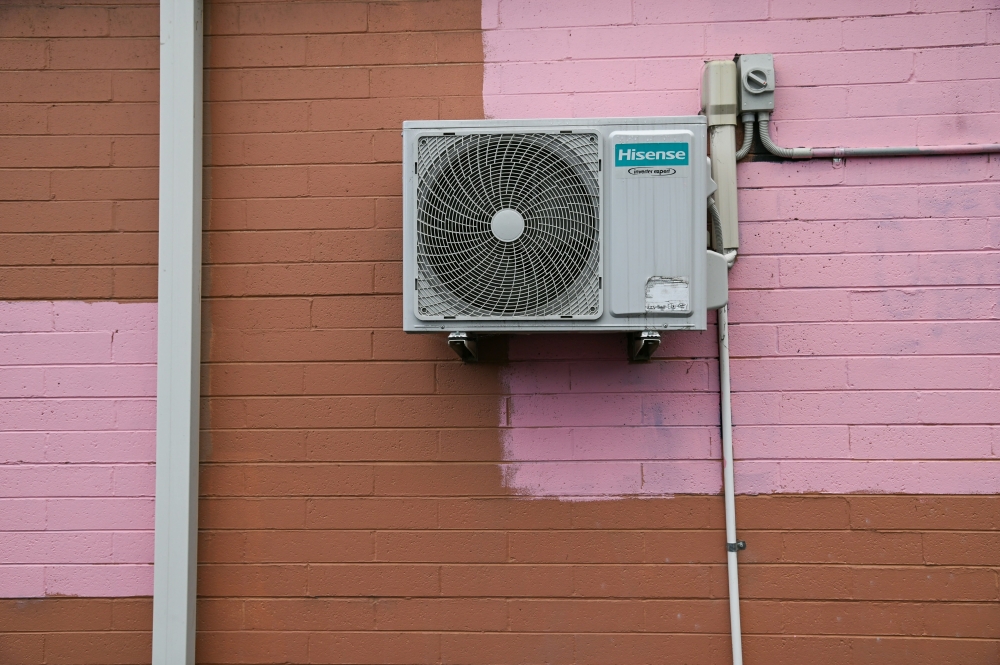
Almost everything plugged into your home contributes to the total, including lights, fans, televisions, laptops, washing machines, rice cookers, kettles, water heaters and air-conditioners.
Here are some examples of appliances’ monthly electricity use:
What happens if your household uses 800kWh, less or more?
Under the expanded protection, households using 800kWh or less a month are exempted from the Automatic Fuel Adjustment (AFA), RM10 retail charge and SST.
How much a household saves depends on how much electricity it uses and the AFA rate for that billing period.
The maximum saving is estimated at about RM47 a month, although the amount will differ between households.
This is because the AFA rate can change based on factors such as fuel costs and foreign exchange movements.
Households using more than 800kWh a month will not receive these exemptions.
Consumers should therefore check the kWh figure on their electricity bill, rather than looking only at the total amount payable.
What does 800kWh look like in everyday use?
There is no typical “800kWh household” because electricity use differs depending on the size of the home, number of occupants, appliances and how often they are used.
Think of 800kWh as the total electricity used by everything in your home over one month.
This includes air-conditioners, refrigerators, water heaters, cooking appliances, washing machines, lights, fans, televisions and computers.
For example, an appliance that uses 30kWh a month makes up about 3.75 per cent of the 800kWh threshold.
Several appliances that use relatively small amounts of electricity can therefore add up quickly over a month.
The 800kWh threshold also does not mean households receive 800kWh of free electricity.
It simply determines whether a household qualifies for the temporary exemptions from the specified charges.


