











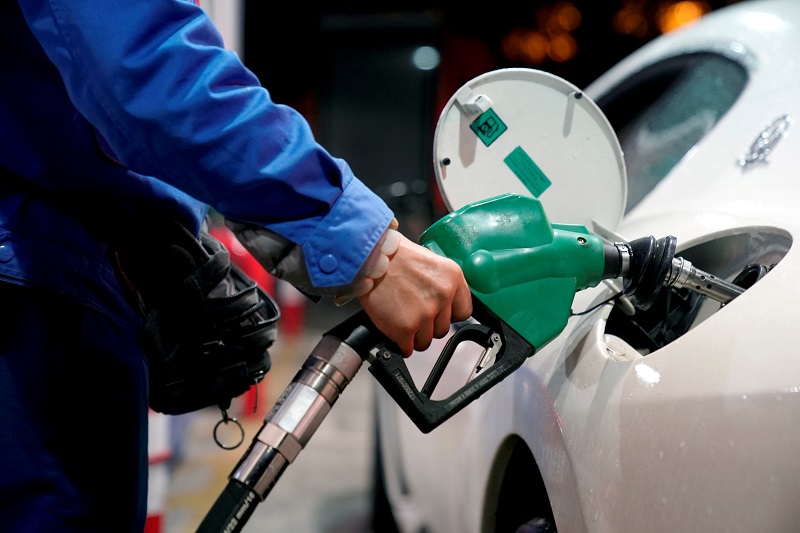


KUALA LUMPUR, Dec 25 — Bumiputera Petrol Dealers Association of Malaysia president Datuk Abu Samah Bachik today said that the petrol and diesel supply tanks at fuel stations are expected to dry up by January 1.
Berita Harian (BH) quoting Abu Samah said that this was due to the refusal of fuel station operators to add up on their reserve supply by the end of the month.
“Certainly we do not want to restock on fuel prices which would be at a higher rate at the end of the month, only to sell it for less from January 1 onward,” he told BH.
Abu Samah said if the government had used the monthly flotation price system instead, it would have been possible for stations to continue operating at a profit and keep up with their operation costs.
“The government’s decision to use the weekly floating system again which comes into effect on January 1 is likely to cause problems for operators.
“I admit the refusal to restock on the fuel reserves might be seen as a protest, but it is a necessary step to ensure we do not experience constant loss,” he said.
Abu Samah told BH that the government should have invited petrol station operators to discuss the matter, before making decision.
“It is true the government’s responsibility is to safeguard the consumers’ welfare, but we as petrol station operators need to bear running costs by generating profit.
“How do they expect us to continue operations and fulfill demand if the government’s decision is unjust when it comes to the mechanism setting the price of petrol on the market,” he said.
Abu Samah suggested best way to resolve this is to use the monthly fuel price mechanism instead, which in turn makes it easier for operators to manage the buying of reserve supply and selling rate to consumers.
Finance Minister Lim Guan Eng said in a statement yesterday that the government will co-ordinate the retail price of petroleum, including RON95, to a lower cost by January 1.
He said this is to ensure the weekly mechanism will benefit consumers.