






WASHINGTON, March 30 — Malaysia is confident of being able to participate in the US Visa Waiver Programme (US VWP) by yearend.
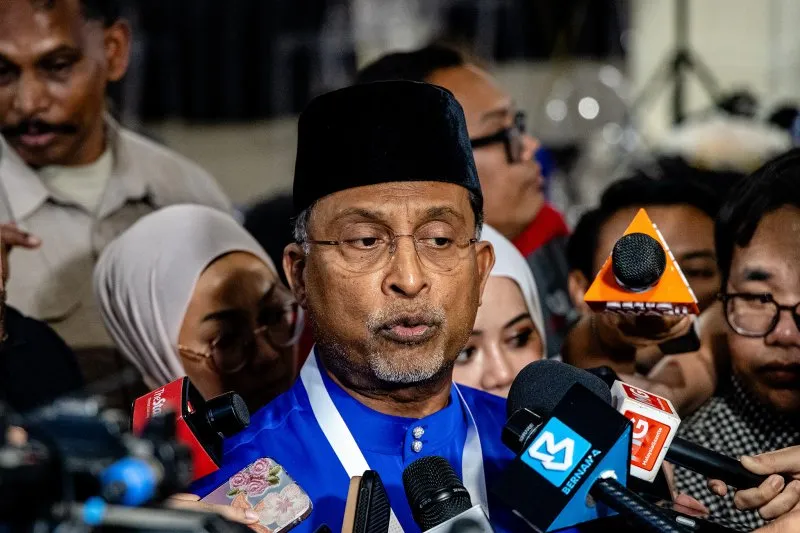
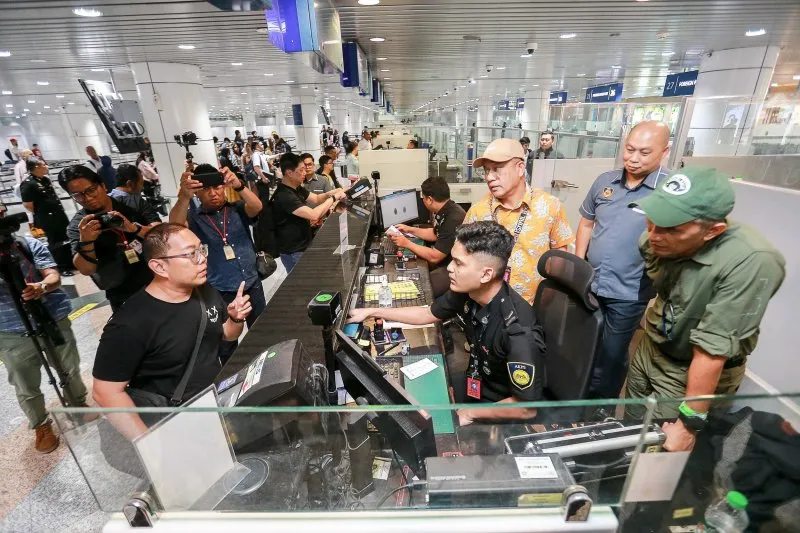
Deputy Prime Minister Datuk Seri Dr Ahmad Zahid Hamidi said Malaysia was currently making efforts to lower the percentage of rejected US visa applications currently at 3.34, mostly on technical grounds.
“The number of rejected applications is higher than the three per cent set by the US government,” he told Malaysian reporters here, Tuesday.
Ahmad Zahid who is also Home Minister arrived here on Tuesday morning for a one-week working visit to attend the Nuclear Security Summit.
The deputy prime minister said Malaysians who apply for visa to enter US must ensure that they do not commit any error when filling up the forms as it could delay Malaysia’s acceptance into the US VWP.
He said awareness campaigns had been carried out by the US Embassy with the cooperation of the Malaysia-US Friendship Association and business council to guide Malaysians on applying via online for the visa.
In the meantime, he said, the Home ministry, in particular, the Immigration Department had already fulfilled the condition to channel reports in real time and within 24 hours to Interpol on any loss and theft of Malaysian passports.
“The Home ministry has fulfilled the conditions set by the US government except for the Visa application rejections which are still more than the stipulated three per cent,” he said.
Ahmad Zahid said the matter is among three main issues he would discuss with US senior officials including National Security Adviser Susan Elizabeth Rice on Wednesday.
He would also be meeting CIA director John Brennan, Deputy Secretary of State Anthony J Blinken, Deputy Secretary of Homeland Security Alejandro Mayorkas and Bureau of East Asian and Pacific Affairs Assistant Secretary Daniel Russel.
He said he would mention to them, Malaysia’s efforts to raise its position from the Tier 2 to Tier 1 watch list of the US Department of State’s Trafficking in Persons Report.
“It would probably take a long time because they (US) would impose a number of conditions.
“But it is not impossible for us to achieve it because the Home ministry, Royal Malaysian Police and Foreign Ministry and a number of enforcement agencies are working towards meeting those conditions,” he said.
Ahmad Zahid said he himself would be chairing a top level meeting to coordinate the ministries and agencies involved.
“We are not bowing to the United States by doing this but the conditions are international standards that must be adhered to for Malaysia to gain that developed nation status,” he said.
He said if Malaysia could succeed in being re-elevated to Tier 2 in less than a year after being downgraded to Tier 3, there should not be any reason why, with concerted efforts, it could not achieve Tier 1.
According to him, Malaysia succeeded in reclaiming its place in Tier 2 with the cooperation of various parties including non-governmental organisations, as well as the US embassy in Kuala Lumpur.
“What the NGOs did among others were to provide rehabilitation and protection and also employment to human trafficking victims. These were done in collaboration with the US embassy in Kuala Lumpur,” he said.
He said the government had also made amendments to the Human Trafficking Act which were passed by parliament in July.
Meanwhile, Ahmad Zahid said he would also broach issues on cross-border, firearm and drug trafficking, and money laundering crimes in the discussions.
He said he would talk about Malaysia’s experience with Daesh in regards to radicalisation.
Another issue that he would dwell on is the reclamation on reefs in the South China Sea by certain parties.
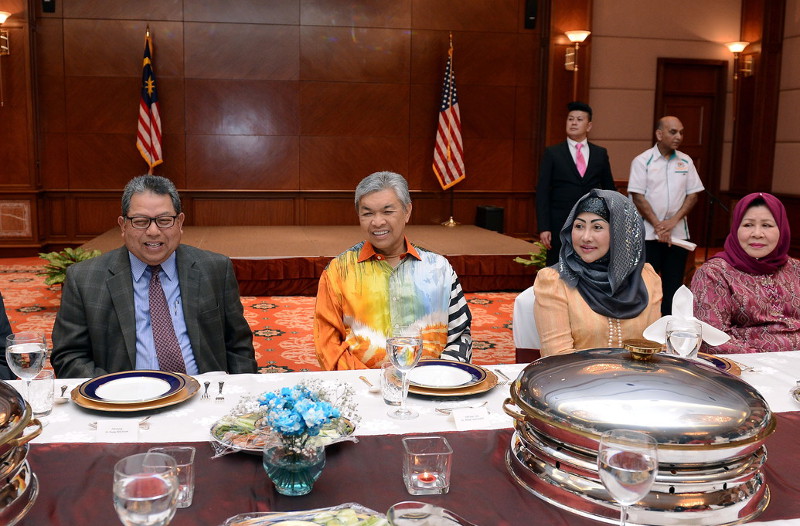
The deputy prime minister earlier attended a dinner organised by the Malaysian Embassy in conjunction with his working visit to Washington. — Bernama