












KUALA LUMPUR, Nov 24 — Not a day goes by without us reading or hearing about somebody losing hundreds of thousands of ringgit – very often their entire savings – to some scam or other.
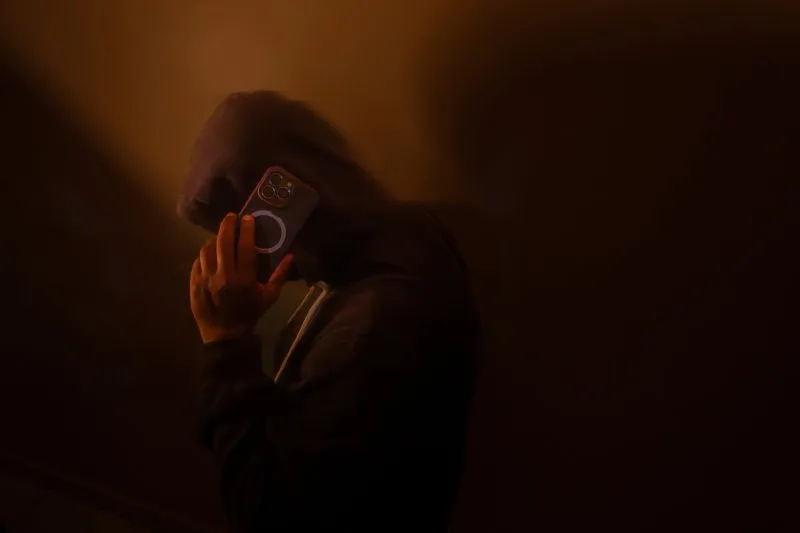
Scammers are increasingly using artificial intelligence (AI), deepfakes and voice impersonation to target Malaysians, which makes cybersecurity an everyday concern rather than a specialist one.
As AI becomes part of daily life, the same tools that make work and communication easier are also being used to deceive.
Deepfake videos and cloned voices can be used to impersonate people and organisations that victims know and trust, which makes these scams harder to spot.
The threat cuts across all age groups and occupations, from young adults and working professionals to parents and business owners. No one can afford to assume they will not be targeted.
As scams become more sophisticated, digital awareness has become one of the strongest lines of defence. Keeping up with the latest tactics and being careful about how personal data is shared are now essential habits for every internet user.
The emergence of quantum technology adds another layer of risk. It brings new challenges to data security, and the ways data and digital communications are protected will need to keep pace.
These issues will be in focus at NEXSEC2026, organised by the Malaysian Communications and Multimedia Commission (MCMC), on November 25 and 26 at MITEC, Kuala Lumpur.
The event brings together government, industry leaders, cybersecurity experts and academia to discuss emerging cyber threats, technological advancements and Malaysia’s cybersecurity readiness.
It is open to the public, and everyone is welcome to attend.
What to expect
Over two days, NEXSEC2026 will feature expert panel discussions, technology-sharing sessions, exhibitions, cybersecurity competitions and talent showcases, covering four key areas:
* AI and cybersecurity: How AI is transforming cyber threats while also strengthening cyber defence.
* Quantum technology and data security: Preparing for future threats to data protection and digital communications.
* Digital scams and cybercrime: AI-enabled scams, deepfakes and impersonation, and how industry is working together to combat these threats.
* Cybersecurity talent: Developing the next generation of cybersecurity professionals through industry collaboration, practical skills and university competitions.
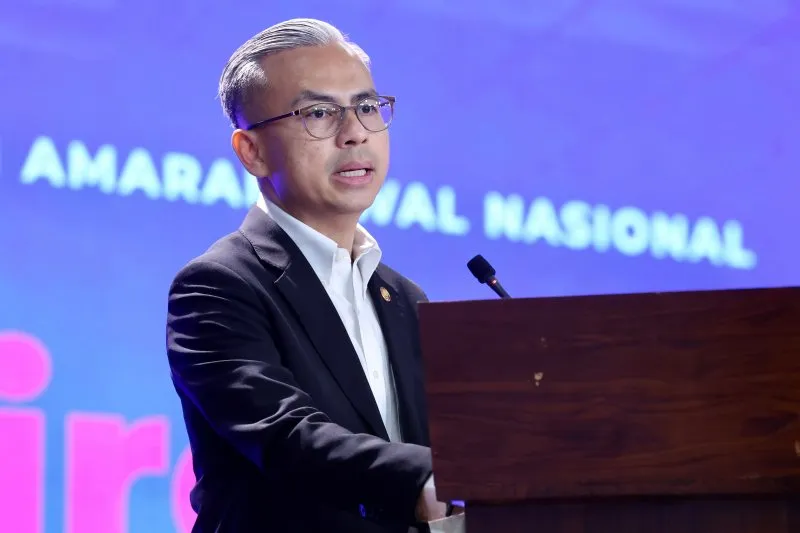
These topics also align with recent announcements by Communications Minister Datuk Seri Fahmi Fadzil at MWC Doha 2026 and ITU PP-26, particularly on Malaysia’s preparations for quantum-resistant data security and on strengthening trust in emerging technologies.
Spotlight on scams
One session to mark on your calendar is “The State of Scams 2026: Trends, Impact and Lessons for Malaysia”, on Thursday, November 26, from 10.30am to 11am.
Rajeshpal Singh Sandhu, Advisor, South-east Asia, at the Global Anti-Scam Alliance (GASA), will explore the latest scam trends, their impact on Malaysians from all walks of life, and what the country can learn from global experiences and efforts to fight scams.
For anyone who has ever received a suspicious call or message, or knows someone who has fallen victim to a scam, Rajeshpal’s session offers a closer look at how these threats are evolving and how Malaysia can respond.
NEXSEC2026 runs from November 25 to 26 at MITEC, Kuala Lumpur. Admission is open to all. For more information, visit https://mcmc.gov.my/nexsec2026.