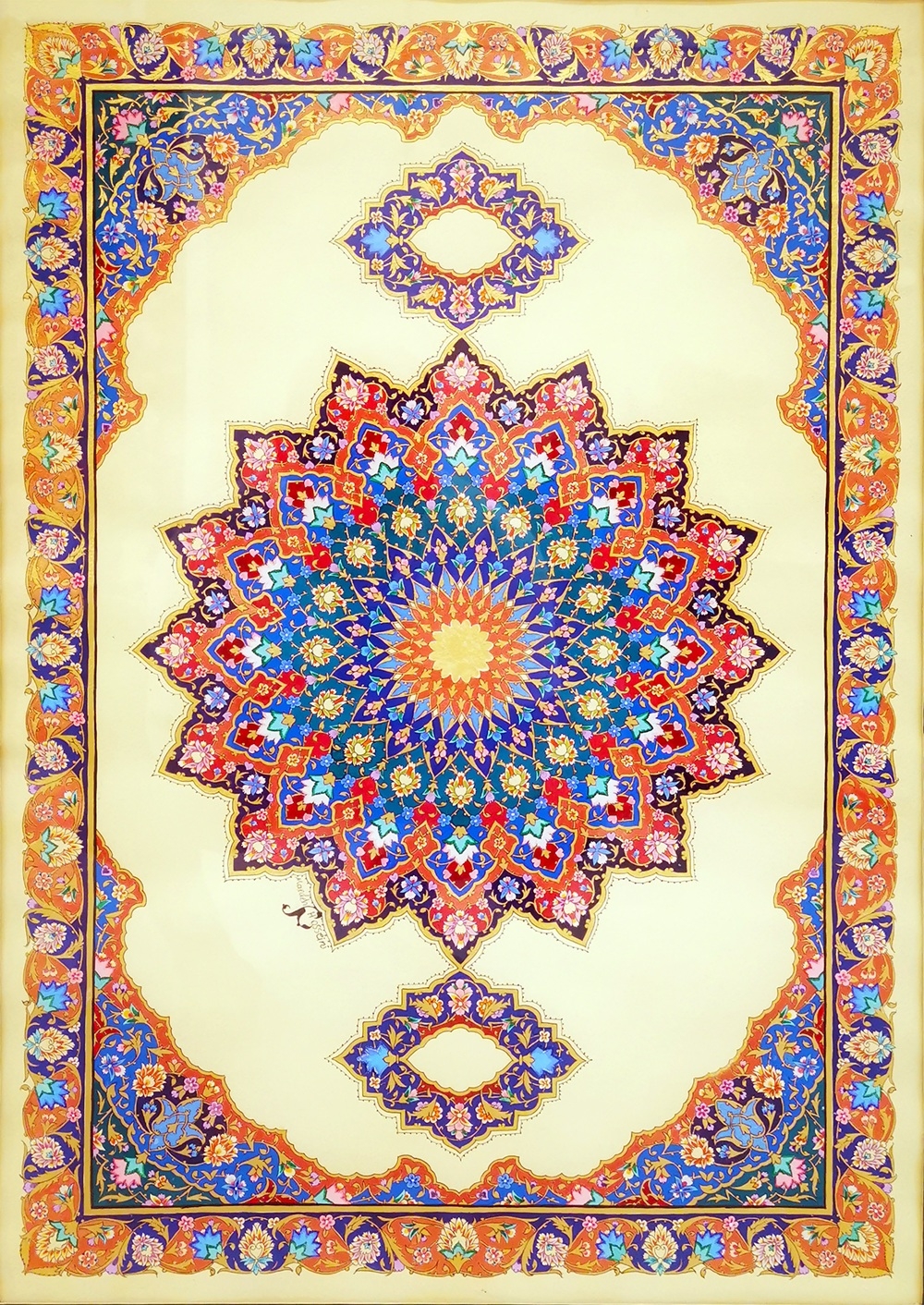
KUALA LUMPUR, Sept 25 — Iranian-born artist Maede Hoseini, better known as Maia, is presenting her latest solo exhibition titled “Rebirth” at Ruang Teduh Gallery from September 22 to October 3.
The exhibition brings together Tezhib, Persian miniature, calligraphy, painting and contemporary typography in a body of work shaped by movement between cultures, memory and personal renewal, according to a press statement from the gallery.
“Gold becomes both material and metaphor: a presence of light, concentration and attention,” the statement said, describing the central role of Tezhib in the exhibition.
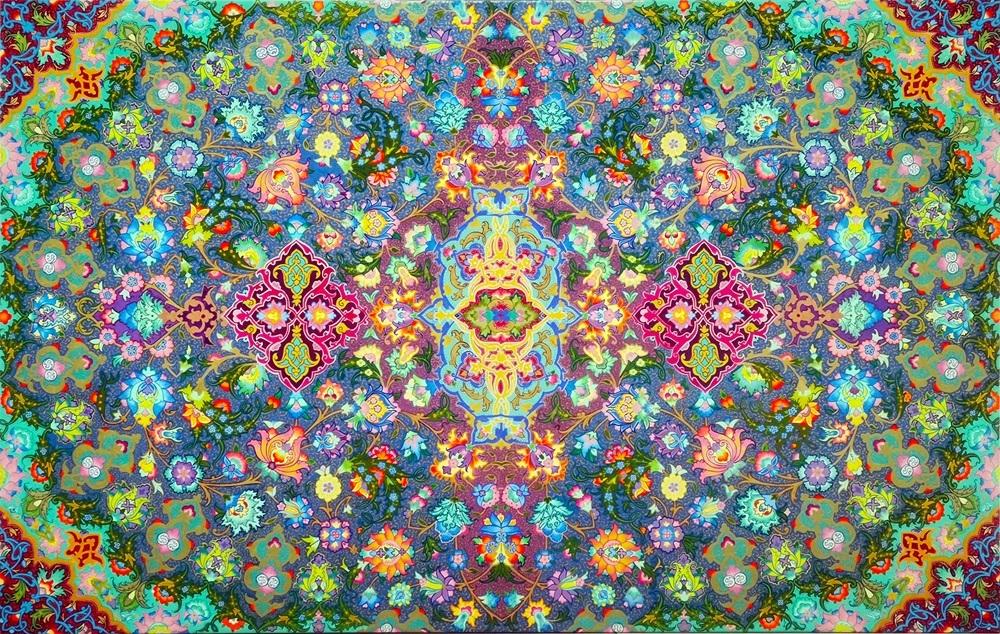
Maia reworks traditional Persian visual forms through abstraction, colour and gesture, allowing inherited structures to acquire new meanings within a contemporary context.
Her foundation in Persian art, shaped by years of studying precision, proportion and ornament, intersects with her background in mathematics and programming, resulting in works that balance structure with intuitive expression.
Illumination, miniature and the written form intersect throughout the exhibition, creating compositions that move between discipline and freedom.
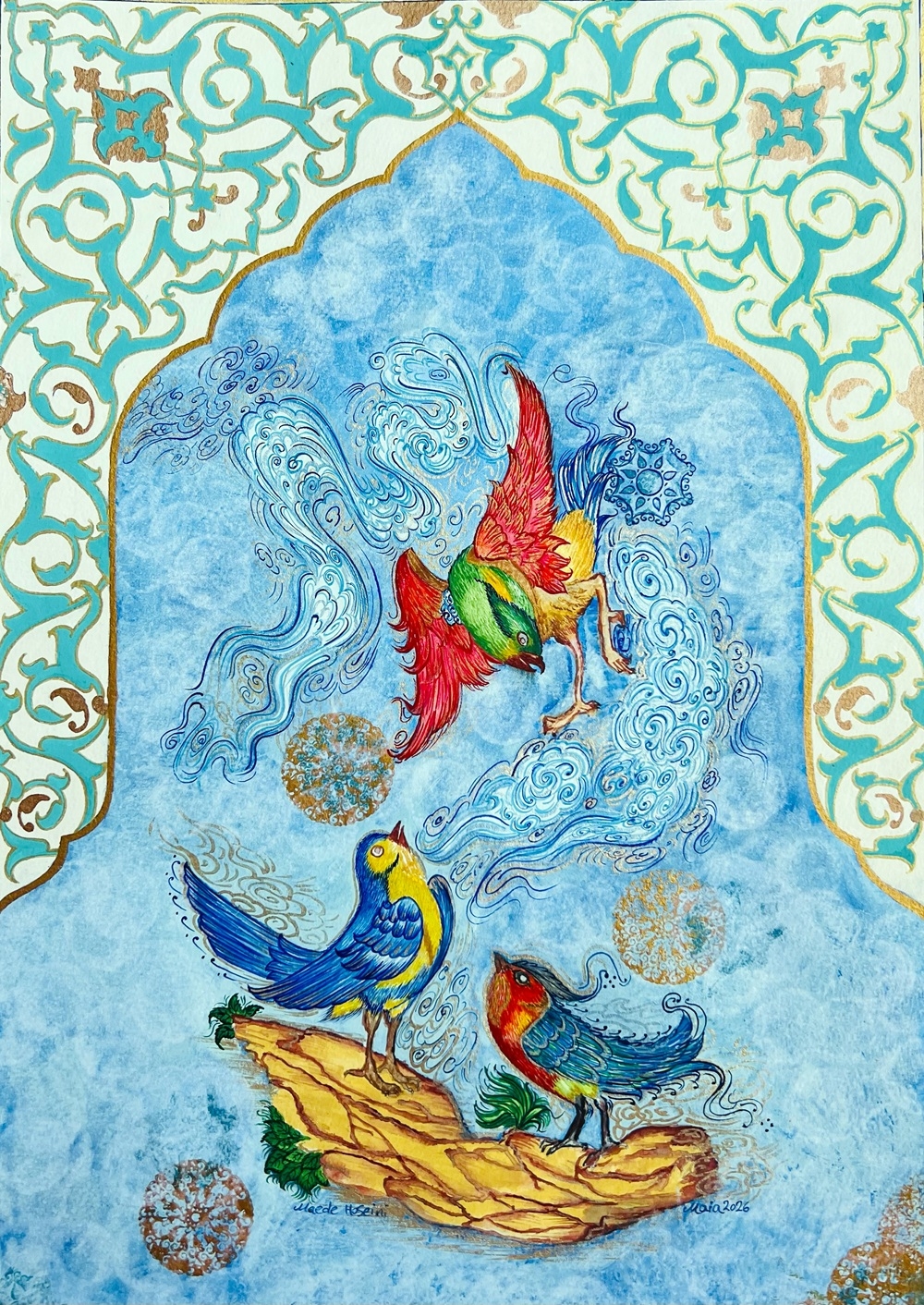
In her miniature-inspired works, flowers, birds and symbolic forms appear within imagined landscapes that sit between observation and imagination.
Her calligraphy and typographic pieces treat Persian letters as visual gestures, with legibility sometimes deliberately interrupted to emphasise rhythm and movement.
Maia’s 15 years living and working in Malaysia have shaped her evolving relationship with Persian visual language, creating space for reinterpretation away from her original cultural environment.
The exhibition positions her practice between continuity and change, presenting Persian references filtered through contemporary experience and individual perception.
The title “Rebirth” reflects this process of renewal, suggesting the possibility of creating something new from what has already been lived.
The subtitle “When Light, Poetry and Letters Awaken My Soul” highlights the exhibition’s three core elements: the luminosity of Tezhib, the poetic sensibility of miniature and the expressive potential of calligraphy and typography.
The exhibition marks a moment of renewed reflection for Maia, bringing together strands of her practice not as a retrospective but as an exploration of what can emerge from inherited forms.