


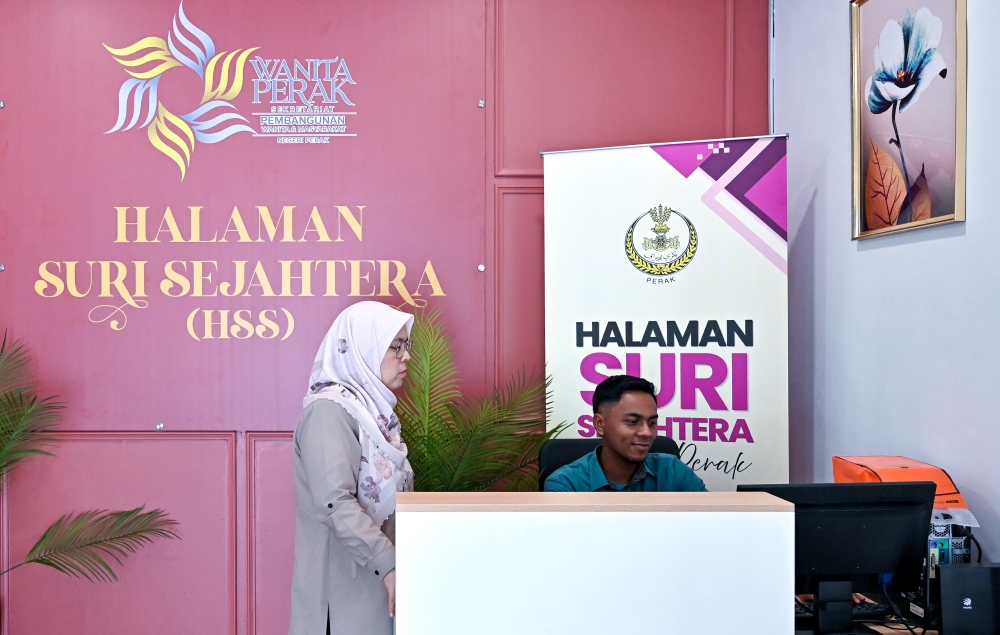
IPOH, Aug 9 — Laughter and joy from a group of senior citizens engrossed in colouring, making handicrafts and taking part in aerobics fills the grounds of Halaman Suri Sejahtera Negeri Perak at Taman Lapangan Terbang here.
For the elderly, the community centre is not just a place to spend their free time, but it has become their “second home”, where they can stay active, forge friendships with people from different backgrounds and ethnicities, and enjoy life after retirement.
Buntong resident Lam Ah Liat, 78, said he and his wife, Teoh Chei Soo, 78, spent their mornings and afternoons at the centre after being attracted to the various activities offered, including handicrafts, painting and aerobics.
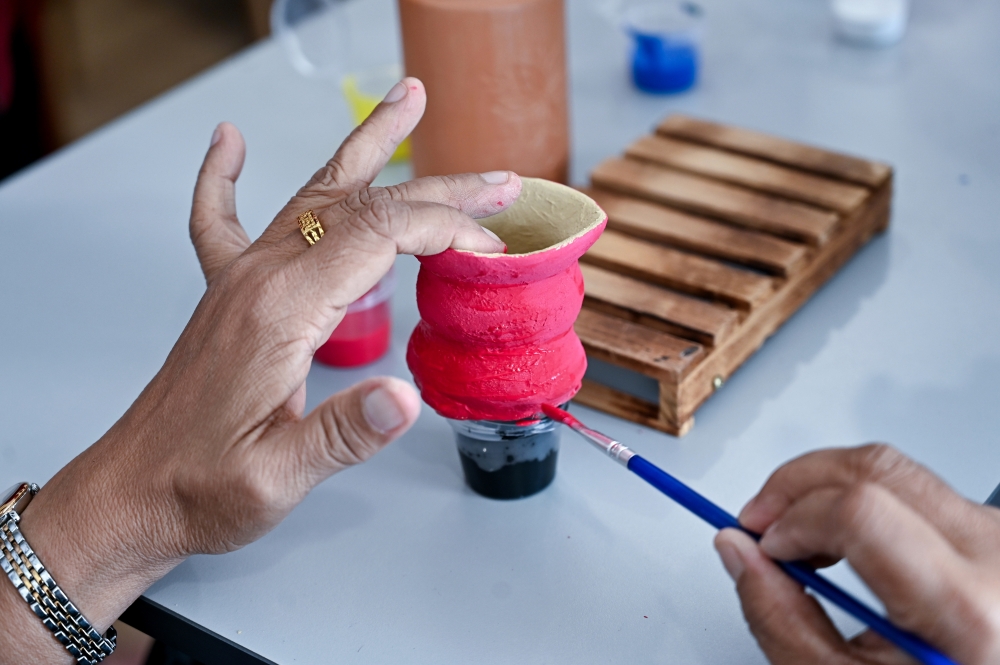
“It is enjoyable to be here because we can take part in all kinds of activities. We also get to make new friends from other ethnic groups. At home, it may be just the two of us, but here it is so lively. Everyone greets one another and shares stories,” he told Bernama.
Lam said Halaman Suri Sejahtera provides senior citizens with an opportunity to remain active while reducing feelings of loneliness after retirement.
Felda retiree Muhammad Tarmizi Pahat, 72, from Kampung Rapat Jaya here, said the community centre has become his preferred place to relax and socialise as it is near to his home.
“When I come here, I feel calm and relaxed. Besides exercising and taking part in the activities provided, we get to meet new friends. We talk about many things; sometimes we reminisce about our younger days and talk about our children. When we laugh and chat together, our hearts feel lighter,” he said.
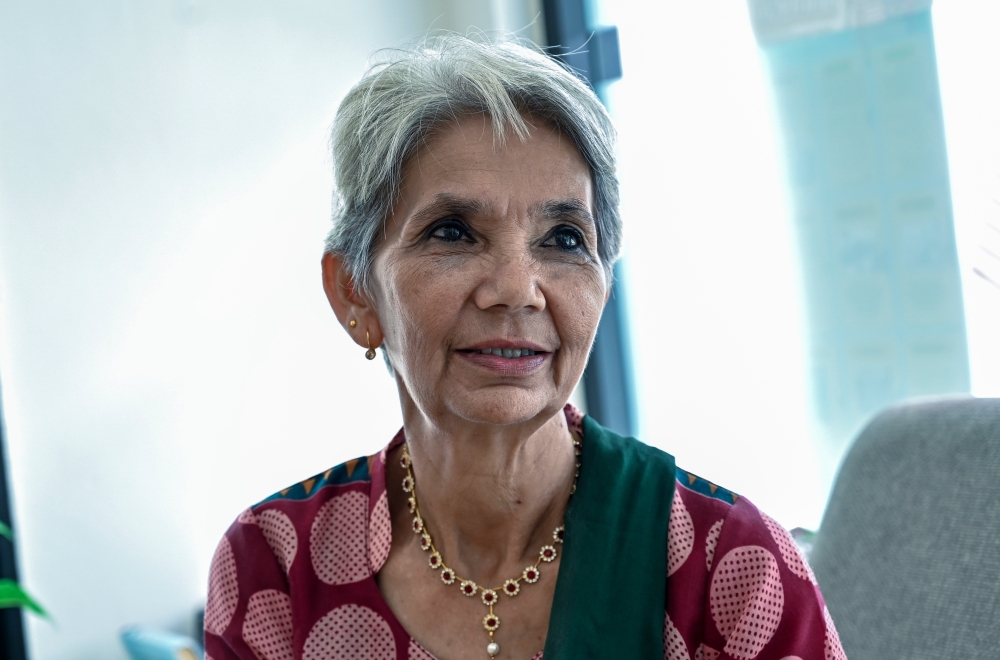
Sixty-eight-year-old Kuldeep Kaur Mohan Singh, from Taman Ipoh Grove here, said she has visited Halaman Suri Sejahtera three times after learning about it through the Senior Citizens Activity Centre (PAWE).
She said she spends about five hours each time taking part in various activities such as mind games, creating artwork, colouring and cooking.
“I really like coming here. I feel happier than when I sit alone at home. We encourage one another here and share our life experiences,” she added.
Halaman Suri Sejahtera, which was recently officiated by Perak Menteri Besar Datuk Seri Saarani Mohamad, began operations in April, with RM600,000 allocated by the state government through the Perak State Secretary Incorporated (SSI).
Apart from serving as a community activity centre, it offers skills and entrepreneurship training, lifelong learning programmes, therapeutic activities and psychosocial support to enhance the physical, mental and social well-being of the community.
Meanwhile, Perak Women and Community Development Secretariat (Wanita Perak) director Jamilah Zakaria said Halaman Suri Sejahtera is divided into several dedicated spaces, namely Suri Emas, Suri Harmoni and Suri Kreatif, to cater to the needs of its target groups.
She said Suri Emas focuses on therapy and activities that helps maintain cognitive functions and encouraging social interaction among senior citizens.
“Suri Harmoni, meanwhile, offers various capacity-building workshops covering leadership, personal development, entrepreneurship training, as well as skills and career enhancement, in addition to counselling services and psychosocial support.
“Suri Kreatif, meanwhile, is used for cooking workshops. However, the objective is not just to teach participants how to prepare food, but to provide them with opportunities to generate income through small-scale businesses,” she said.
Jamilah said the programmes also involved the cooperation of PAWE, therapy experts, institutions of higher learning, the Perak State Entrepreneur Development Secretariat (STEP), as well as strategic partners from the private sector.
According to her, their biggest challenge is to build a truly sustainable community network and, as such, welcomes the participation of more NGOs (non-governmental organisations), educational institutions and private companies to strengthen its programme implementation.
“This collaborative approach is considered crucial because the government cannot work alone in meeting the increasingly complex needs of society, particularly those involving vulnerable groups,” she added. — Bernama


