


KOTA BHARU, July 26 — Difficulties in obtaining performance permits and a lack of successors continue to pose major challenges for Kelantan’s wayang kulit (shadow puppetry) custodians in ensuring the traditional art form continues to endure and remain relevant in changing times.
Tok Dalang (puppet master) Mohammad Hafiza Che Ya, better known as Pak Cu, said although public interest in wayang kulit remains high, the difficulty in securing permits to stage performances, especially at the village level, has made it harder to keep the traditional art form alive.
“In terms of audience or interest, there are still many. The challenge now is obtaining performance permits from the authorities. It is indeed more difficult than before,” he told Bernama recently at Kampung Kubang Rawa here.
Having been performing for 30 years, he said performances today are syariah-compliant, with ritualistic elements once associated with traditional shows no longer practised.
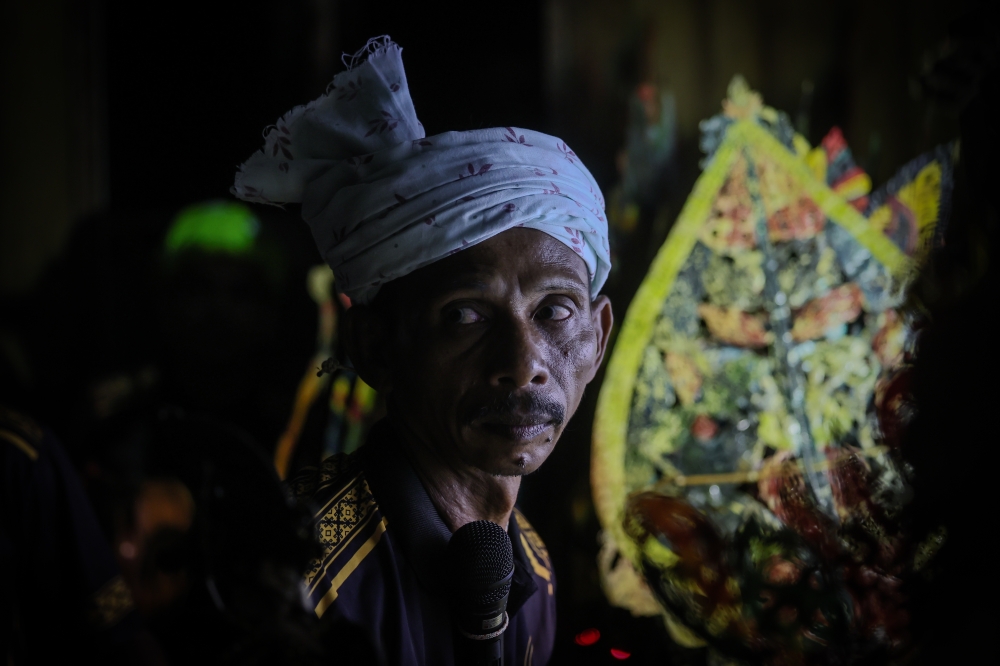
“Today’s wayang kulit performances no longer contain ritual elements. What we present is purely artistic storytelling with moral values,” he said.
Mohammad Hafiza said his interest in wayang kulit began at a young age when he joined a traditional music ensemble in his village before being mentored by a renowned Tok Dalang, the late Ariffin Catek of Kok Lanas.
After his mentor’s passing, he continued learning under the late Nafi Komando from Tanah Merah and also gained knowledge from the late Dollah Baju Merah (Abdullah Ibrahim).
He explained that a Tok Dalang’s role goes beyond manipulating puppets, as they must ensure performance equipment is in place, coordinate musicians and animate each character in sync with the music.
“Every character’s movement must be in sync with the music. The Tok Dalang is also responsible for ensuring all instruments are in place and the performance runs smoothly,” he said.
On preserving the authenticity of Kelantan’s wayang kulit, he said performances must be adapted to modern audience preferences without losing the essence of its identity.
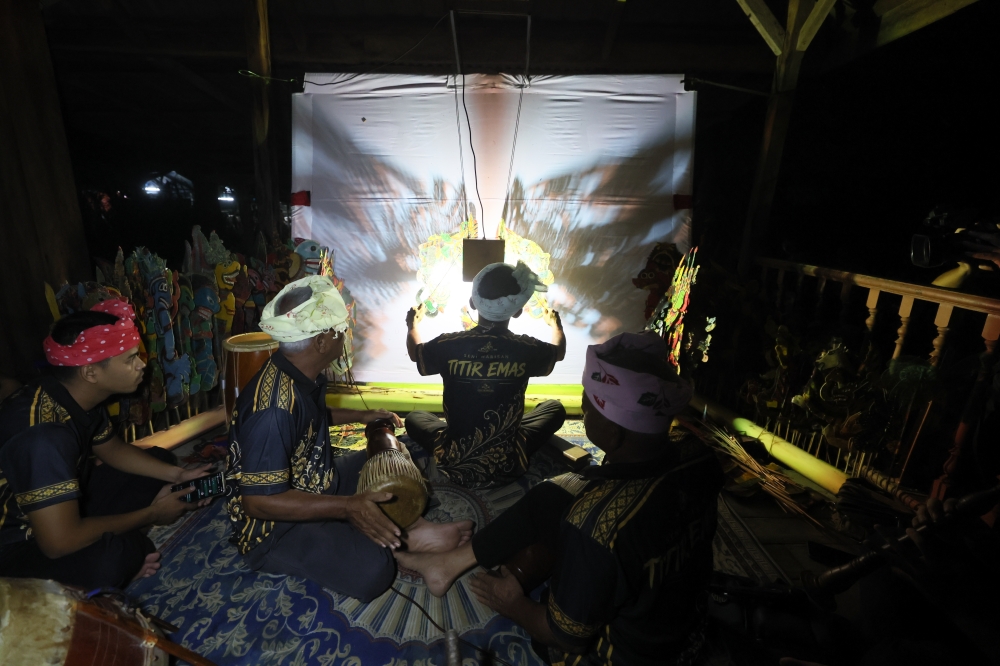
He said comedic elements and current issues are often incorporated into dialogues to attract a wider audience, including younger viewers.
“If there are campaigns or specific programmes by organisers, we incorporate those messages into the dialogue and performance. We follow current issues, but present them through wayang kulit.
“More than just a form of entertainment, each performance delivers moral lessons, reinforcing the belief that good deeds are rewarded while wrongdoing carries consequences,” he said.
According to Mohammad Hafiza, Kelantan’s wayang kulit originated from India before spreading to Cambodia and Thailand, and eventually reaching Kelantan, where its storytelling has been adapted to Malay culture.
“The Ramayana performed in Kelantan is not entirely based on the original version. It has been adapted for the local community in terms of language, delivery and values,” he said.
On the issue of successors, he said grooming a Tok Dalang is not easy, as it requires passion, continuous training, and mastery of characters, storylines and wayang kulit rhythms.
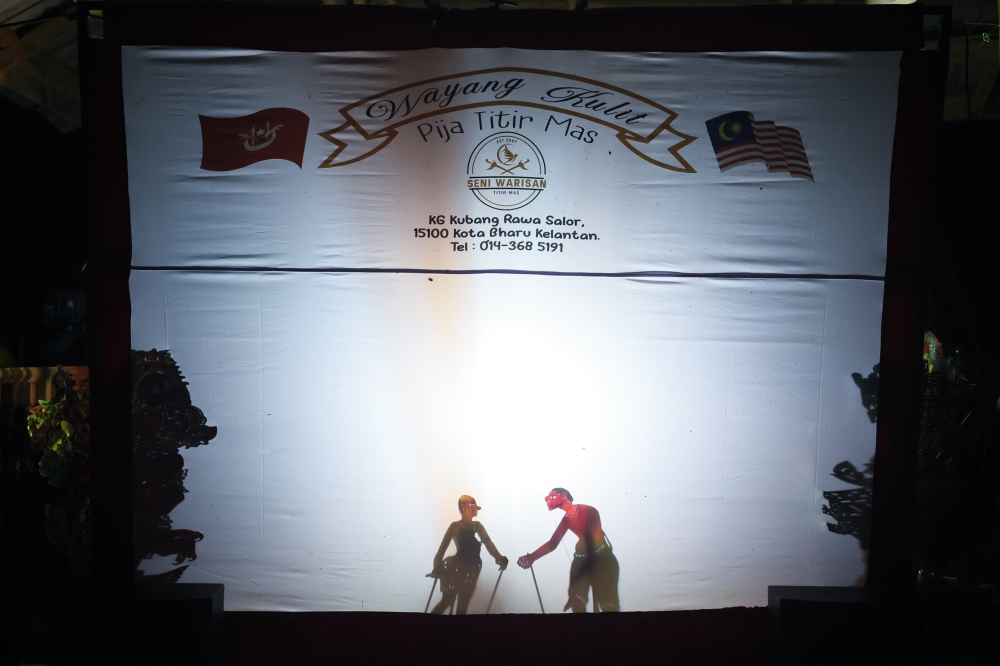
He also stressed the importance of respecting teachers and elders, and not being arrogant when learning the art.
Mohammad Hafiza said currently, there are only three senior Tok Dalang who are still active in Kota Bharu, while three aspiring Tok Dalang are currently undergoing training.
“Most of the older generation have passed away. Now only three remain active. I am worried that without continuous efforts, this art form will shrink in the coming years, even if it may not disappear entirely,” he said.
As such, he hopes the government and relevant agencies will continue to strengthen support through financial assistance, guidance and opportunities to perform so that the heritage can be preserved for future generations.
“I strive to preserve wayang kulit because I do not want this treasured heritage to fade away. The generation today is simply continuing the work begun by those before us. Our responsibility is to ensure it lives on for the next generation,” he said. — Bernama


