


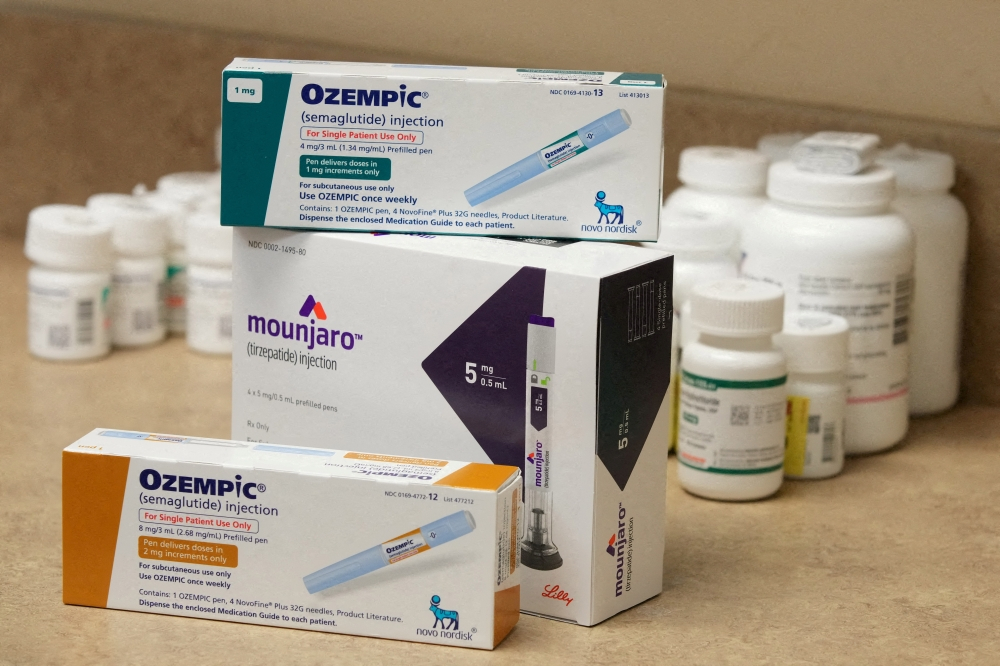


NEW YORK, June 10 — Use of GLP-1 drugs for diabetes or obesity early in the first trimester of pregnancy, before a woman realises she is pregnant, is not a cause for alarm, a large new data analysis suggests.
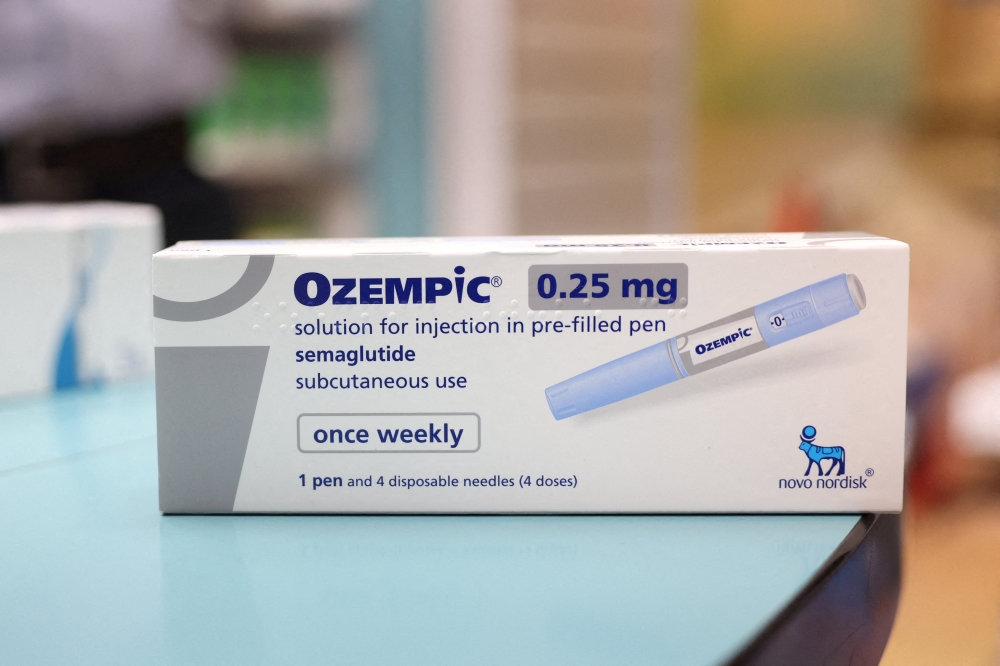
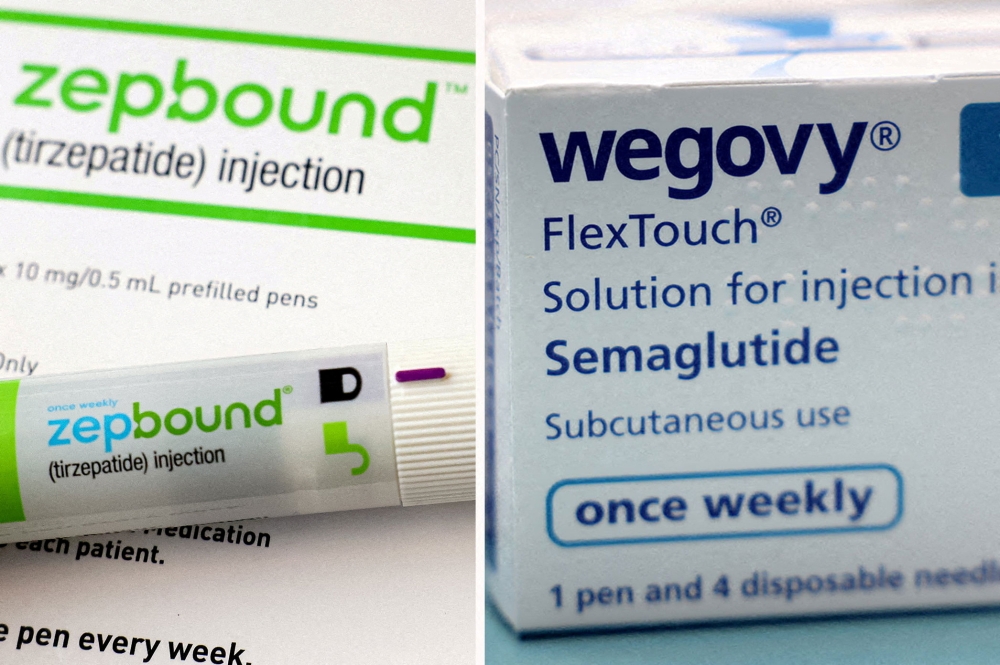
These medications, which include Novo Nordisk’s semaglutide, sold as Ozempic and Wegovy, and Eli Lilly’s tirzepatide, sold as Zepbound and Mounjaro, are not recommended for use during pregnancy because their safety for the fetus is unknown and animal studies have suggested potential risks.
Researchers at the Harvard T.H. Chan School of Public Health analysed 3,572 pregnancies in women who were taking GLP-1 drugs prior to conception, including 1,467 in women with type 2 diabetes. They looked at outcomes that occurred with continued GLP-1 use into the first trimester, comparing them to non-continuation of the medicines.
After taking individual risk factors into account, the risk for non-live birth was 29.7 per cent with medication continuation versus 27.1 per cent with non-continuation, a difference that was not deemed statistically significant.
Staying on the drugs also did not appear to substantially increase the risks for low or high birth weight or major congenital malformations, although estimates for these outcomes were imprecise.
As GLP-1 use among women of reproductive age becomes more prevalent, “this provides some reassurance regarding unintentional exposure to GLP-1s early in pregnancy,” said study leader Dr. Jeremy Brown.
GLP-1 drugs can improve fertility in some obese women through weight reduction and enhanced insulin sensitivity. In addition, tirzepatide in particular has been found to compromise the absorption of oral contraceptives, which can contribute to accidental pregnancy.
Medical guidelines advise stopping GLP-1 drugs at least one or two months before pregnancy, and “our study cannot on its own change such recommendations,” said Dr. Sonia Hernandez-Diaz, senior author of the report published in Annals of Internal Medicine.
It is not possible to guarantee the drugs are safe, but women who used them before discovering they were pregnant needn’t panic, she said.
“Based on accumulated evidence, it does not seem like GLP-1 drugs when used during the months after conception increase the risk of common (adverse) outcomes substantially. That is as much as we can tell right now, which is reassuring,” Hernandez-Diaz said.
“The message would still need to be for pregnant women and those planning pregnancy to follow the label and their clinicians’ advice regarding GLP-1 when pregnant or planning pregnancy,” she said. — Reuters


