


COLOMBO, March 24 — Some places in Sri Lanka whisper history.
Polonnaruwa does not whisper. It surrounds you with it.
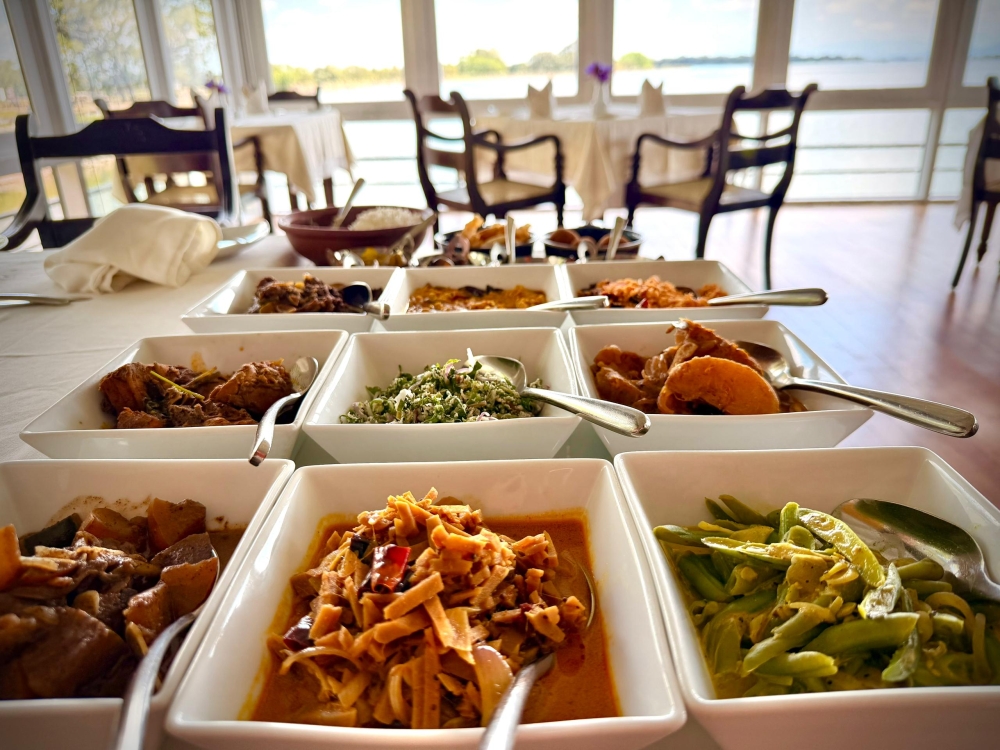
You feel it the moment you arrive at EKHO Lake House Polonnaruwa, perched quietly on the edge of the vast waters of the Parakrama Samudraya. The lake stretches across the horizon like a quiet inland ocean, wind rippling across its surface as fishermen push slender boats out into the morning light.
Standing on the wide veranda of the old bungalow, with the lake shimmering in front of you and the ancient capital of Polonnaruwa Ancient City only minutes away, it is hard not to feel as though you have stepped into another century.
The building itself feels like a memory.
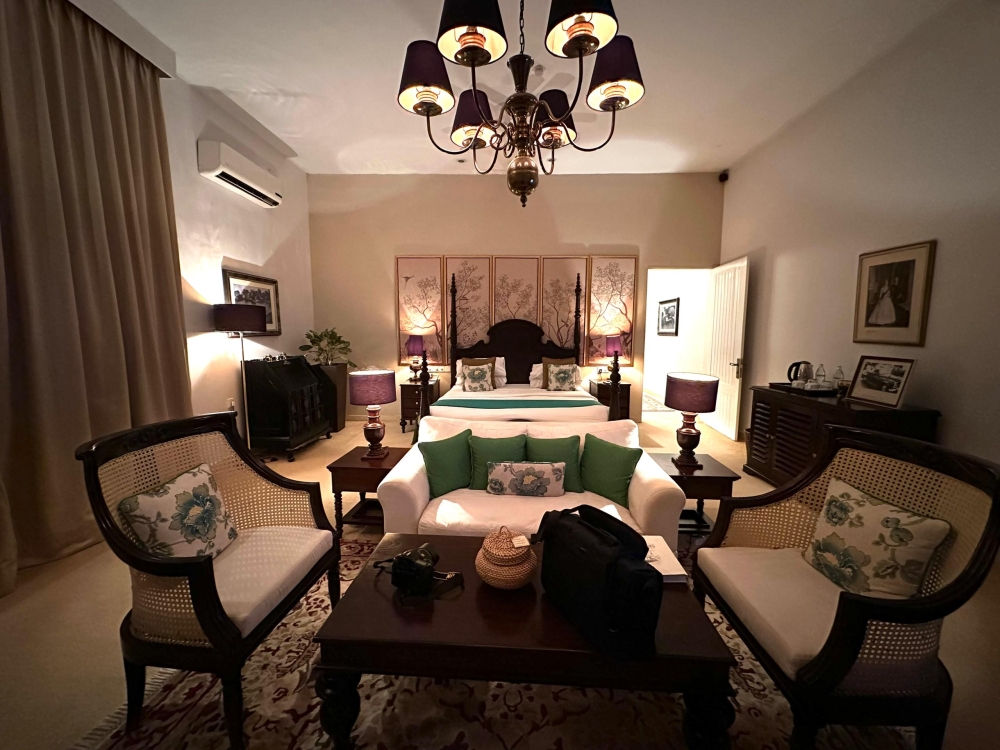
High ceilings.
Polished wooden floors.
Long verandas where the afternoon light drifts lazily across antique furniture.
Walking down its quiet corridors feels like stepping into an old sepia photograph — the kind with frayed edges and soft fading tones where time seems suspended somewhere between the colonial past and the ancient kingdom that once flourished nearby.
The property, now known as EKHO Lake House, is remarkably intimate. There are only twelve rooms. That alone gives it a sense of exclusivity rare in modern travel. You do not simply drop in hoping for a room. If you want to stay here, you plan ahead — because those twelve rooms disappear quickly.
The bungalow itself has hosted distinguished visitors for decades, including Queen Elizabeth II, who stayed here during her visit to Sri Lanka. Standing on that veranda with the breeze rolling across the lake, it is easy to understand why.
But the true magic of this place lies beyond the hotel.
Because the lake stretching before you is not natural.
It is one of the greatest engineering achievements of the ancient world.
A sea built by a King
The Parakrama Samudraya — literally The Sea of Parakrama — was built in the 12th century by the formidable Sri Lankan ruler Parakramabahu I, whose ambition transformed Polonnaruwa into one of the most sophisticated cities in Asia.
His philosophy on water management was uncompromising:
“Not even a drop of rainwater should flow to the sea without benefiting mankind.”
And so he built this inland sea.
By linking several older reservoirs together, engineers created a vast lake stretching across roughly 25 square kilometres, capable of sustaining thousands of acres of rice cultivation and feeding the capital of a powerful kingdom.
Standing on its shores today, watching the wind move across the water, it is difficult not to marvel at the vision behind it.
Nearly nine centuries later, the reservoir still functions.
This was not merely architecture.
It was civilisation.
Walking through a kingdom
A short journey from the hotel brings you into the remarkable ruins of Polonnaruwa, one of the most complete ancient cities in South Asia.
Cycling through the archaeological park beneath tall tamarind trees, you move from monument to monument as though turning pages in a stone history book.
The Royal Palace of King Parakramabahu once rose seven storeys high and contained more than a thousand chambers. Today the towering brick walls still stand defiantly against the sky, their scale hinting at the grandeur of a vanished court.
Nearby sits the exquisite Polonnaruwa Vatadage, a circular relic shrine surrounded by finely carved guardstones and moonstones that represent some of the finest examples of Sri Lankan stone craftsmanship.
But the most moving monument of all lies quietly beneath a line of trees at Gal Vihara.
Here, four monumental Buddha statues were carved directly into a granite rock face during the reign of Parakramabahu in the 12th century. The reclining Buddha, nearly fourteen metres long, rests with an expression of serene calm that has endured through centuries of war, jungle encroachment, and rediscovery.
Standing there in the quiet shade, listening to the wind rustle through the leaves, it is impossible not to feel the presence of time itself.
Returning to the lake
By late afternoon the heat begins to soften and the lake once again becomes the centre of life.
You return to the Lake House as the sun begins to sink behind the Parakrama Samudraya. The water turns copper and gold, birds drift across the sky, and the veranda becomes the perfect place to sit quietly with a drink while the ancient landscape slowly cools.
There are many beautiful hotels in Sri Lanka.
But very few places allow you to experience history in quite this way — waking beside the same waters that sustained a kingdom nearly nine hundred years ago, and spending the day exploring temples and palaces built by a civilisation that mastered engineering, architecture, and spirituality long before much of the world had begun to imagine such things.
That is what makes Polonnaruwa so extraordinary.
It is not simply an archaeological site.
It is a reminder of what Sri Lanka once built — and what it still quietly preserves.
And if you are fortunate enough to stay at EKHO Lake House while discovering it, you may find that the experience feels less like visiting history and more like living briefly inside it.
Just remember one thing.
With only twelve rooms overlooking that ancient inland sea, you would be wise to book early.


