


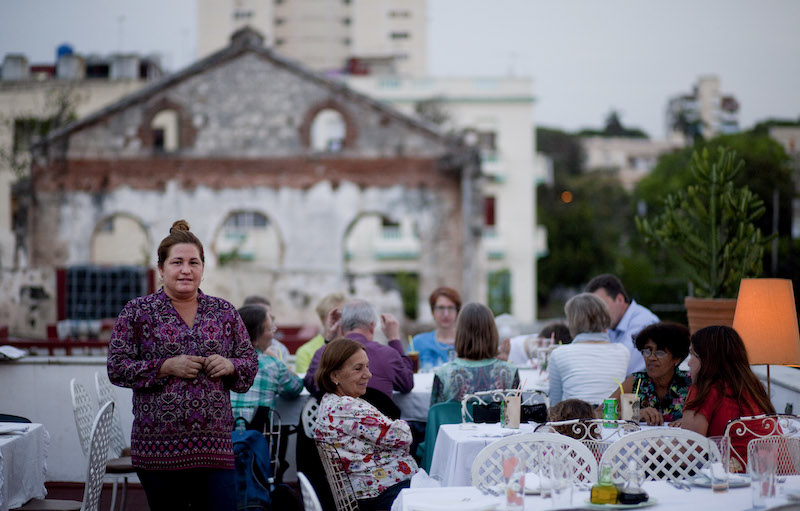


HAVANA, April 6 — Cubans sometimes joke that of all the lessons living under three generations of communism has taught them, by far the most important is learning how to wait. So it’s a little surprising that as capitalism creeps in — the introduction of private ownership has created a thriving restaurant scene — people here are discovering, to their dismay, that they need reservations to get into their favourite places.
It’s just one of many dislocations that restaurateurs and diners are facing as two economic worlds collide in the new, more US-friendly Cuba.
“Until six months ago, I was able to show up with two people and eat somewhere that’s considered one of the fancier restaurants in Havana with no problem,” said Imogene Tondre, 34, a US-born cultural coordinator who has lived in the city for six years and is married to a Cuban. “Now the ones that take the big tour groups are always booked. And even the restaurants that are geared more toward the Cuban population are often very full.”
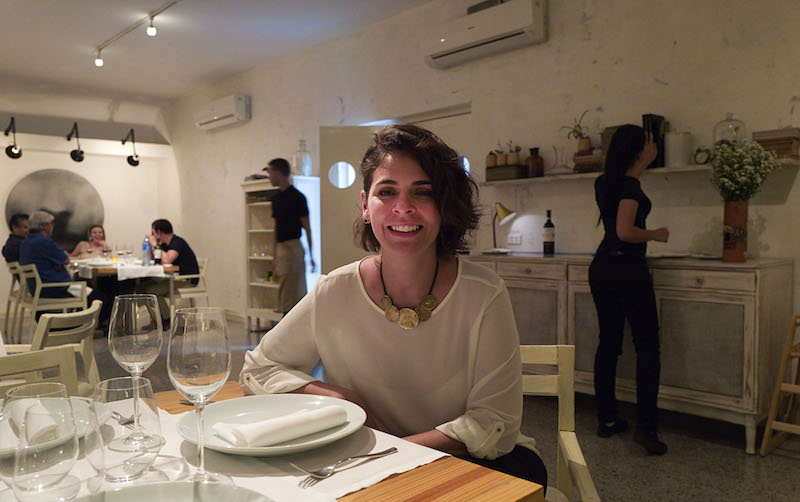
Many Cubans are shocked. “They arrive and say: ‘What? I need a reservation from a day before? That’s ridiculous!'” said Amy Torralbas, 31, the owner of Otramanera, a gated ultramodern restaurant that serves a blend of Cuban and Mediterranean cooking.
At first glance, the problem wouldn’t seem to be a shortage of places to eat. Antonio Diaz, a University of Havana economics professor, estimated that several hundred viable restaurants have sprouted since 2011, when the government loosened crippling restrictions on privately owned restaurants, or paladares. With that has come a much wider variety of cuisines, from Spanish-style seafood to Japanese sushi, reflecting the desires of a public with an increasingly cosmopolitan palate.
But demand is also growing exponentially, thanks to a flood of international tourists — 3.52 million in 2015, among them 161,000 from the United States, or nearly double the number of Americans in 2014, according to Reuters. And though restaurateurs have freer rein than at any time since the 1950s, they still have to grapple with sometimes nonsensical rules that come with owning a private enterprise in a communist country. By law, for example, restaurants are limited to 50 seats or fewer.
The island’s economy runs on dual currencies: The Cuban convertible peso, or CUC, meant primarily for tourists, and the local peso, or CUP, which Cubans use for most day-to-day transactions. Restaurants must run on both, accepting payment mostly in CUCs but using CUPs for supplies and wages.
A restaurateur wishing to expand to a second location runs smack into restrictions on property ownership that limit an individual to one site in Havana and another elsewhere in Cuba. Entrepreneurs with dreams of food empires get around those laws by exploiting loopholes and shuffling deeds among family members.
Then there’s the struggle of running a food business in a country that lacks institutions like a wholesale market, and where staples are often in short supply.
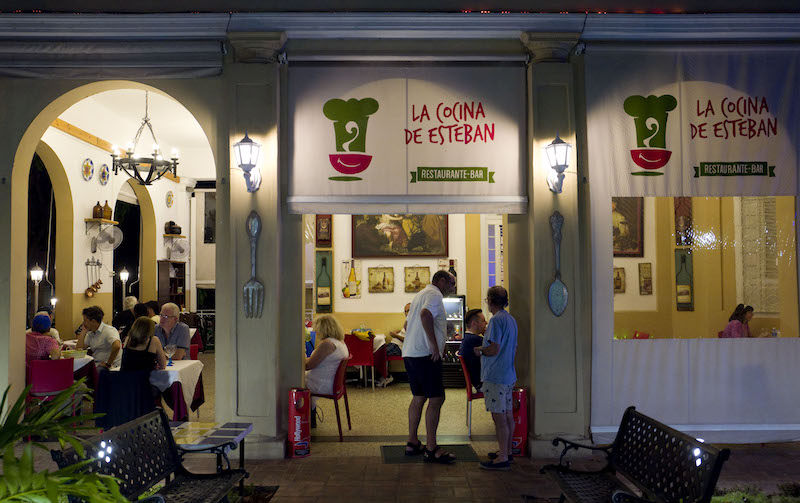
“If I want to buy a kilo of coffee, I need to go to two, three, six stores all around Cuba sometimes,” said Renan Cesar Alvarez, 74, an owner of La Cocina de Esteban, a brightly lighted restaurant serving Italian, Spanish and Cuban cuisine a few blocks from the University of Havana. “It’s the same with sugar, rice, the drinks, everything.”
At the same time, restaurateurs strive to meet Western-level expectations. State-run cafeterias are notorious for plodding service that consists mostly of waiters informing diners what isn’t available on the menu. Modern paladares typically employ enthusiastic young servers, often college students or recent graduates attracted by the possibility of making a relative fortune in tips. (The average Cuban’s monthly earnings total about US$25/RM100.)
“I prefer people with no experience,” said Niuris Ysabel Higueras Martínez, 41, an owner of Atelier, which sprawls through several art-filled rooms and the rooftop of a mansion in the Vedado neighbourhood. “I prefer teaching my own service.”
At Otramanera, servers are educated about the menu, wines and the startling fact that some foreigners abstain from meat.
“In Cuba, there wasn’t a culinary culture, and so now we are learning about the first dish, the main course, about the wine that comes with the food,” Torralbas said. “For example, in Cuba, there weren’t many vegetarian people; we didn’t know anything about that. So now we’re learning how to be prepared for these types of people.” — The New York Times


